Water tables in the face of extreme events at the end of 2023
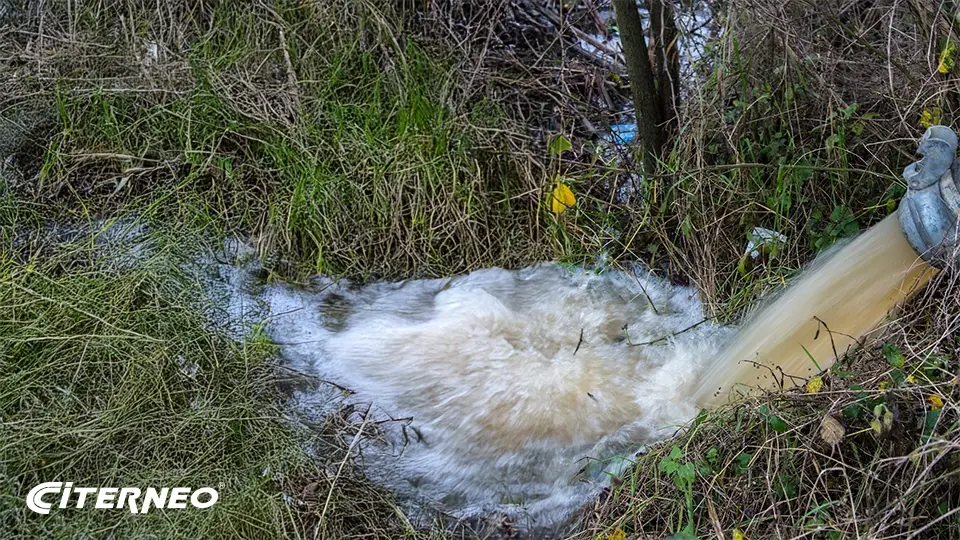
3 storms Ciaran, Domingos and Elisa caused unprecedented high water and flooding in late 2023. What impact will this have on water tables?
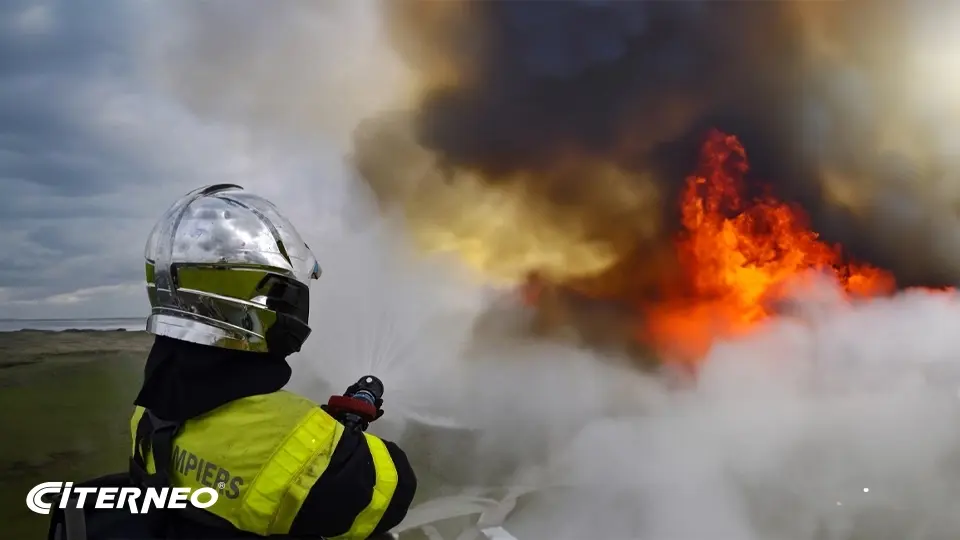
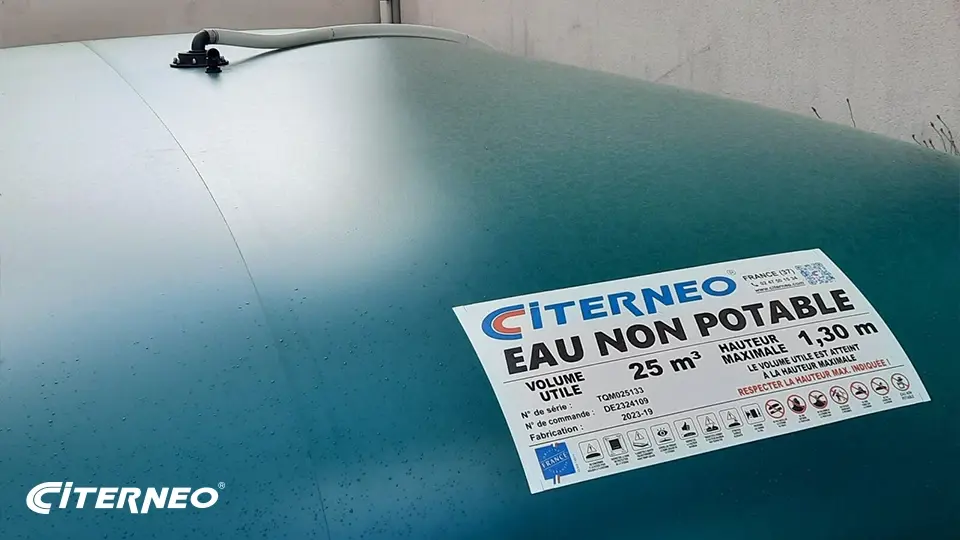
When a fire breaks out, every minute counts. The flexible tank is the solution, adopted by SDIS, to fight forest fires.
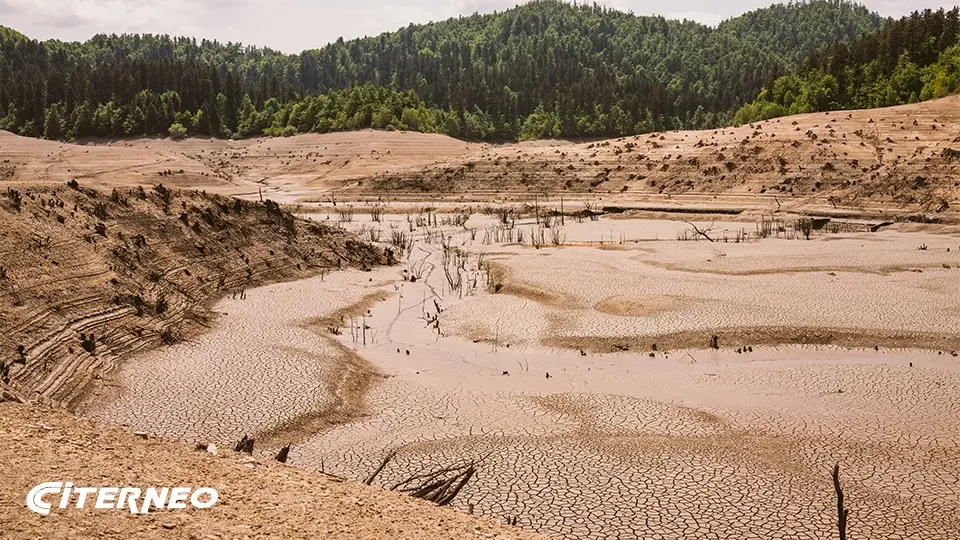
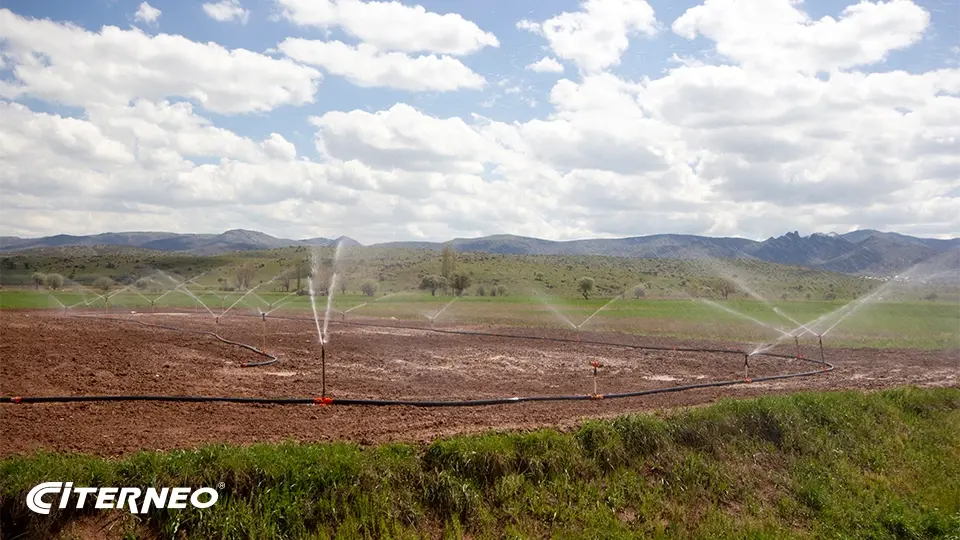
On October 12, 2023, 83 départements were affected by drought and subject to water use restrictions, according to the French Ministry of Ecological Transition. This situation reveals an uneven distribution of water resources, with some territories spared. To provide a framework for the use of rainwater and treated wastewater, decree no. 2023-835 of August 29, 2023 has been adopted, repealing the previous decree no. 2022-336. Decrypted.
Access to drinking water is vital for climate change resilience. The climate crisis is often discussed in terms of carbon emissions, but the effects of climate change are felt most acutely in the area of water.
Water is becoming a strategic and symbolic issue, as studies warn of future freshwater scarcity in France. Its access, quality, environmental impact, and climate footprint demand urgent attention. Rethinking usage and adopting sustainable approaches are essential to preserve this vital resource.
Today, we have to deal with crucial climate issues while also addressing the problems of tomorrow.
One of the questions we are often asked is: Does water storage deplete water tables?
I'm a drop of water. I'm microscopic and liquid, yet I belong to an immense world. I can be salty, sweet, drinkable, worn, fresh or repulsive as I encounter obstacles and the living beings that inhabit the planet, flora and fauna included. And yet, I am essential to life...
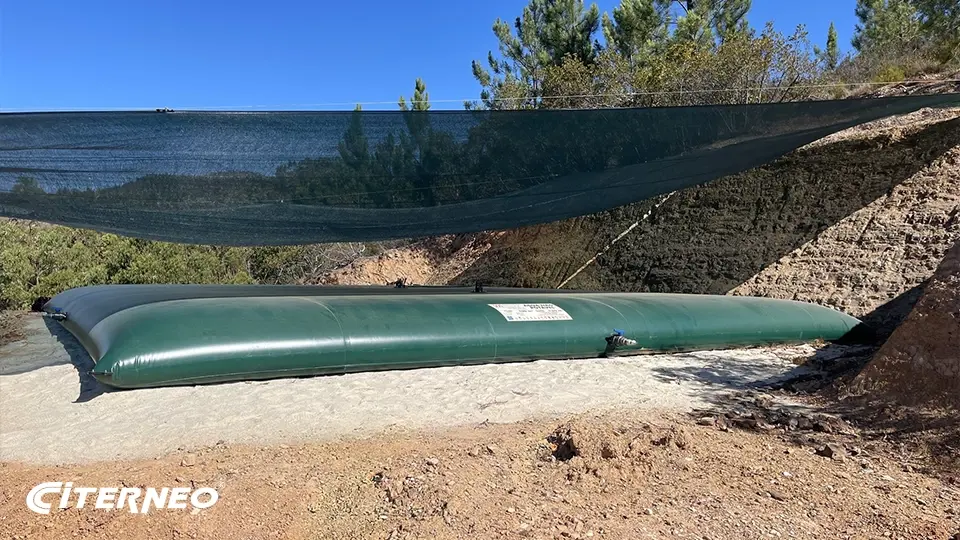
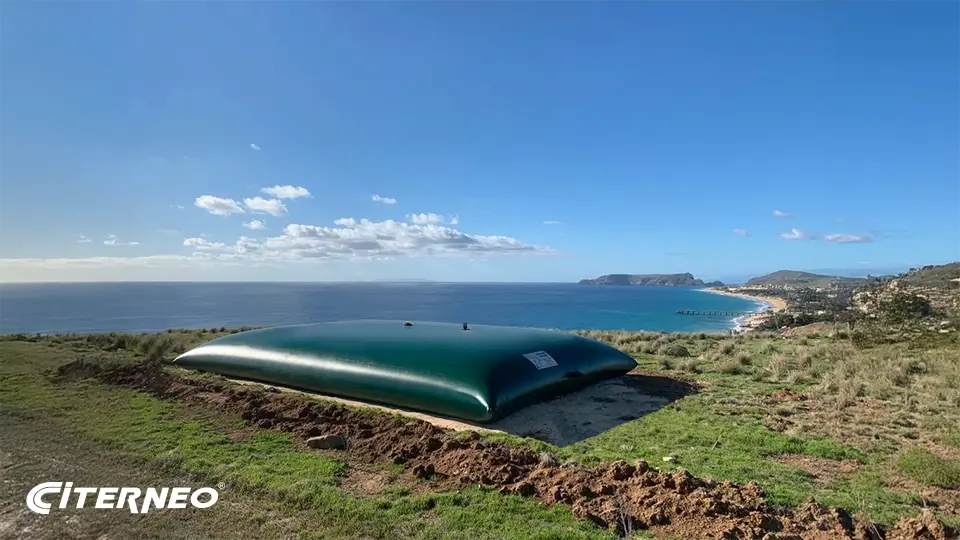
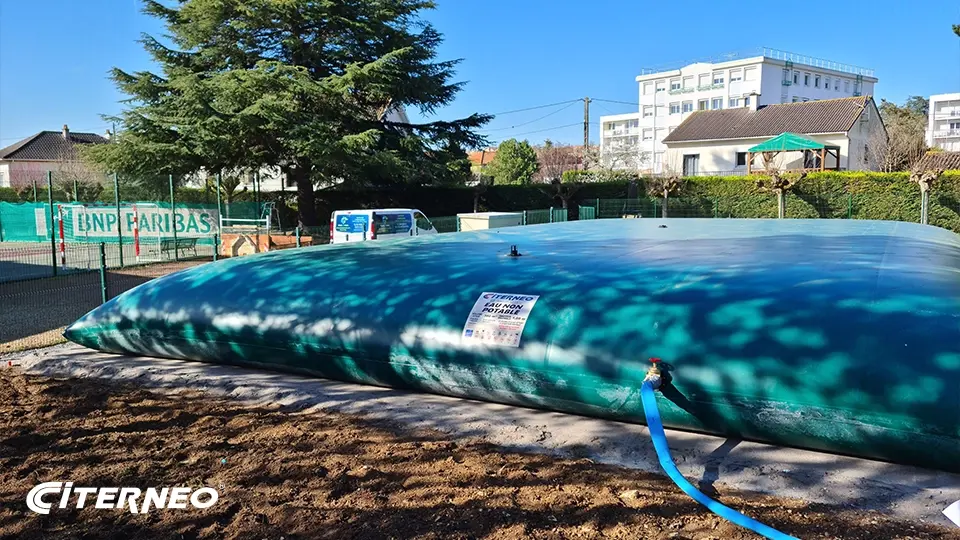
Every drop counts. Every liter counts. Every gesture counts. While the need for water continues to grow, the resource remains limited. The starting postulate can be summed up as follows: we need to be able to collect and store water when there's enough, to use it when there's not enough, and when times are tight.