

In France, more than 8 million people live in the 5,667 communes that still manage water in isolation. Most of these communes are located in mountainous areas.
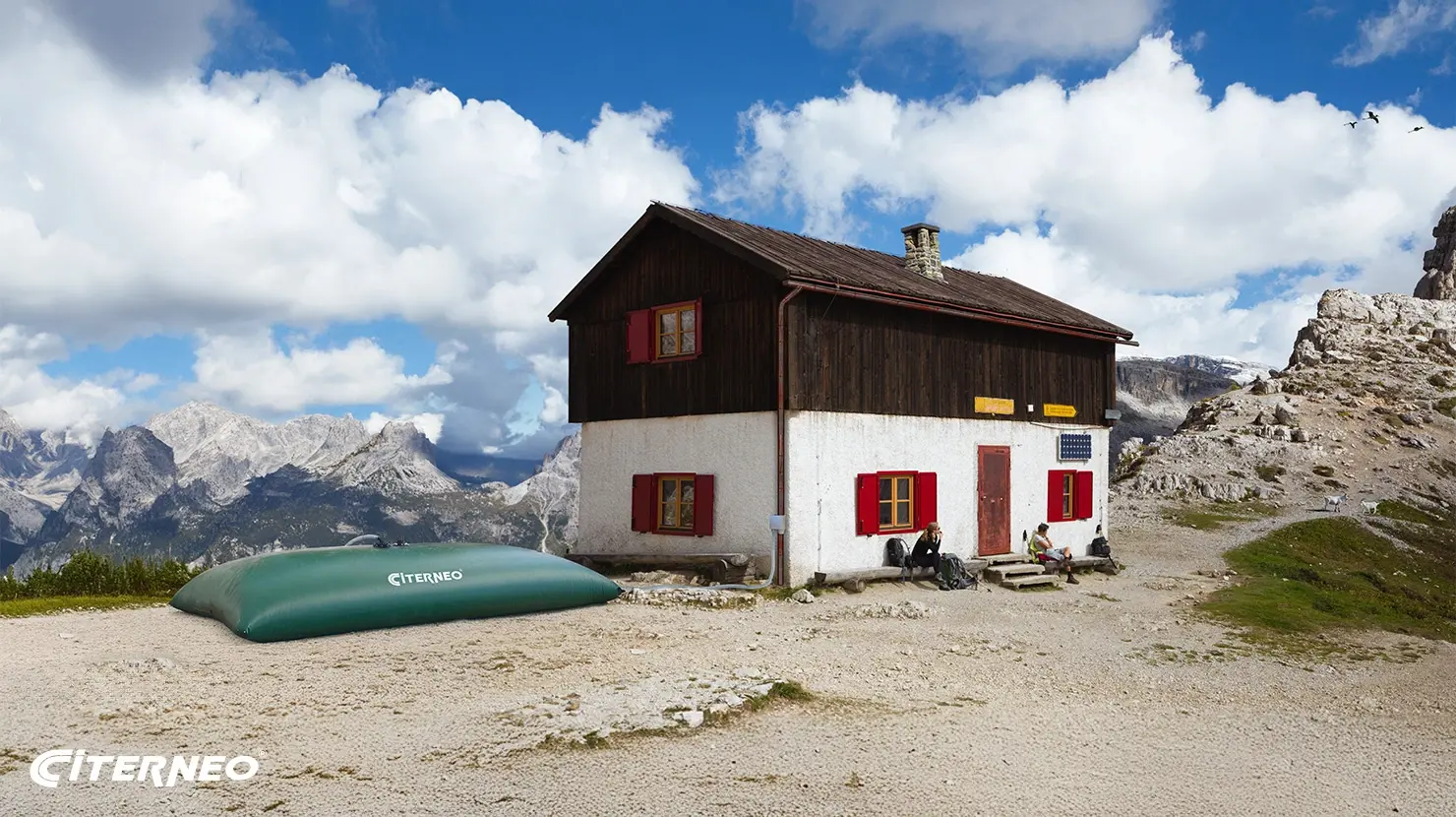
198 local authorities have at least one water service with an efficiency rate of less than 50%, meaning that more than half the drinking water in this network is lost to the environment (source: Intercommunalités de France, 2024).
Access to drinking water, a major public health issue in France
Droughts, floods, sharing and quality of water resources..., to respond to the crises of today and tomorrow, a global water policy on the scale of living basins, and therefore of intercommunalities, is essential.
In 2024, again according to figures distilled by Intercommunalités de France, 300,000 people in mainland France will not benefit from a connection to the drinking water distribution network.
Access to drinking water for all comes at a cost. According to studies carried out by Intercommunalités de France, between 3 and 5.4 billion euros is the annual investment requirement for drinking water networks in France. Only 2.3 billion euros are currently mobilized.
More than ever, drinking water justifies its nickname of blue gold.
As public money will never flow freely again, and communes and other intercommunalités have an obligation to manage their resources as well as possible without giving up on offering a quality public service, it's essential to explore all avenues.
New solutions for capturing and distributing drinking water
Capturing and distributing drinking water requires us to consider innovative technical solutions.
A pioneer in the development of large-volume tanks (1,500 m³ in 2013, then 2,000 m³ in 2016), Citerneo has produced its first 2,500 m³ tank in the first half of 2024 to fulfill an order from a customer in Croatia.
Thierry Moreau, Citerneo's deputy managing director, points out that the tarpaulins with which the flexible tanks are constructed are frost-resistant. This technology enables water to be stored over the long term.
"The stored water is never in contact with the air, so there's no risk of bacteria developing. What's more, these flexible tanks are frost-resistant. So there's no need to drain them when winter arrives. Depending on the use, we can quickly replace a lot of water drawn from the water table with water from the sky," Thierry Moreau explains.
In the Czech Republic, several of Citerneo's customers, located in isolated areas, use flexible tanks to store the water needed to supply snow cannons.
This solution helps to limit groundwater abstraction by storing rainwater to supply snow cannons.
Citerneo's new tank offers several significant advantages.
In May 2024, Citerneo therefore manufactured its first 2,500 m³ flexible tank in its Amboise workshop to meet the demand of a Croatian customer. With a floor area of 1,700 m², the equivalent of almost three tennis courts, this achievement demonstrates the company's ability to produce large-scale tanks. (source AgroMedia.fr - July 1, 2024)
This tank can store large quantities of liquids, reducing the frequency of refills and optimizing resource management.
Designed as a multi-use container, this new XXL tank can store rainwater and drinking water. Thanks to its large volume, this tank reduces the need for multiple storage infrastructures, saving space and simplifying logistics operations. Last but not least, Citerneo's commitment to social responsibility has earned it the "Origine France Garantie" label, and Citerneo was awarded a "Silver" rating by Ecovadis in 2022. This external recognition guarantees environmentally-friendly manufacturing in line with quality standards.
A promising future for flexible tanks
As the challenges of access to drinking water increase, flexible tanks represent an innovative and promising solution. With growing storage capacities and remarkable adaptability, these cisterns can play a key role in water management.
In France, their deployment could make a significant contribution to improving water infrastructures in isolated areas. Local authorities, faced with limited budgets and growing needs, can find in these tanks a viable and effective alternative to traditional solutions.
Conclusion
As the leader in the flexible tank market, Citerneo thus continues to lead the way with its innovations. The company, which moved to new premises in Amboise in 2022, now has 10,000 sq. m. of space to produce very large-volume tanks.
This infrastructure enables Citerneo to meet specific demands and anticipate the future needs of its customers, for applications that are either current or need to be explored